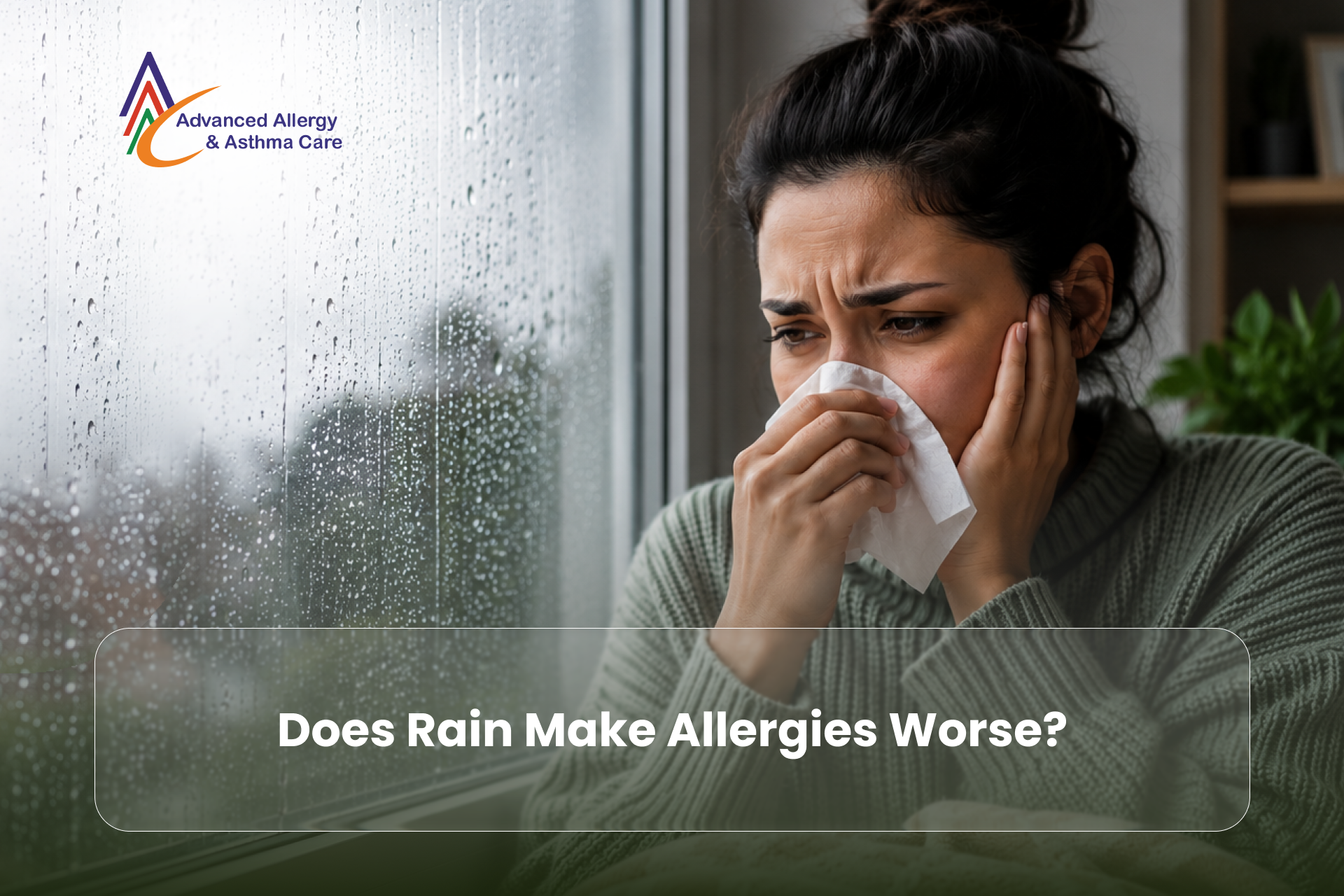

Managing Winter Asthma Flare-Ups During Cold, Dry Months
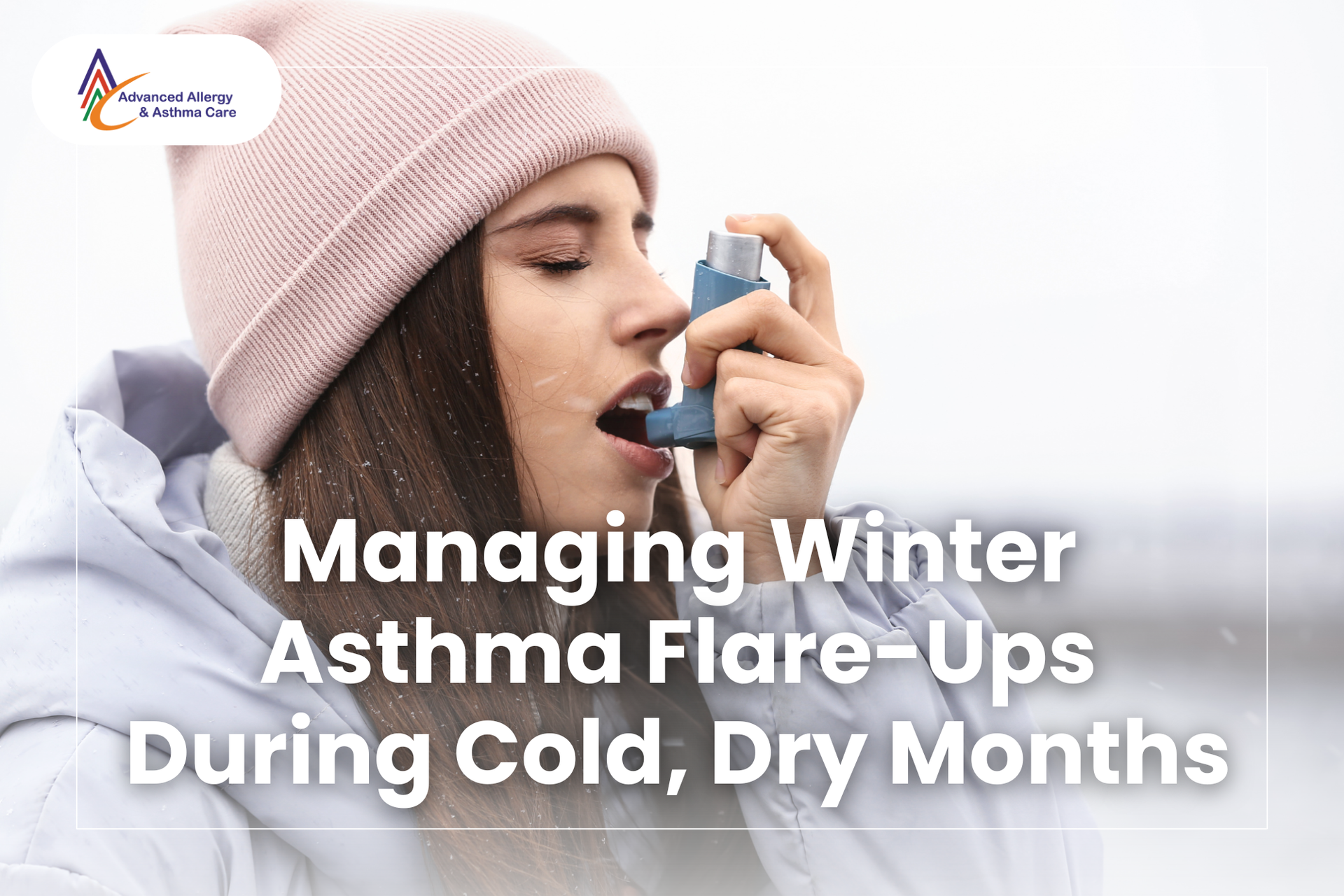
Imagine waking up in the middle of a cold winter night, struggling to catch your breath as your coughing echoes in your bedroom. For many people living with asthma, this scene is all too familiar during the cold, dry months. Chilly air, indoor heating, and seasonal colds can all spark flare-ups that can make breathing periodically harder.
These episodes don’t just end in breathing difficulties, though. They disrupt daily life. Nighttime coughing can steal sleep, morning wheezing can make getting ready for work or school a challenge, and even a short walk outside can feel exhausting.
On the bright side, winter asthma management has come a long way. With modern, more effective strategies, from environmental tweaks to consistent medication use, you can reduce flare-ups and enjoy the season with confidence.
Breathe Easier This Winter
Understanding Winter Asthma Triggers
Winter may feel cozy, but it can be tough on those with asthma, especially if your triggers are still undetermined. What causes winter asthma attacks may be one or a combination of the following:
- Cold Air: Inhaling cold air can tighten airways and trigger coughing or wheezing. A scarf over your mouth and nose can help warm the air.
- Dry Indoor Air: Heaters and fireplaces dry out the air, irritating lungs and worsening symptoms. A humidifier can help keep your airways comfortable.
- Respiratory Infections: Colds, flu, and RSV are more common in winter and can lead to flare-ups. Vaccines, handwashing, and avoiding sick individuals help reduce risk.
- Indoor Allergens: Dust mites, pet dander, and mold can build up indoors. Clean regularly, wash your bedding, and use air purifiers with HEPA filters.
- Environmental Irritants: Smoke from fireplaces, candles, or winter pollution can irritate lungs. Limit exposure to smoke and ensure adequate ventilation to prevent flare-ups.
Understanding these triggers lets you take small, proactive steps to prevent winter asthma episodes and breathe easier all season.
Signs of Winter Asthma Flare-Ups
Even with careful planning, asthma can still flare up anytime during winter. Understanding why winter triggers asthma symptoms can help you recognize early warning signs and act quickly to prevent more severe attacks.
Common symptoms to watch for include:
- Wheezing or whistling sounds when breathing
- Persistent coughing, especially during the day or at night
- Shortness of breath or feeling “tight-chested”
- Difficulty completing everyday activities without fatigue
Some warning signs can be less discomforting but just as important:
- Nighttime coughing or waking up short of breath
- Increased reliance on your rescue inhaler
- Decreased tolerance for physical activity, even for routine tasks
Practical Tips to Manage Winter Asthma
Managing winter asthma flare-ups doesn’t have to be as tough as usual. Many of our clients at Advanced Allergy and Asthma Care have asked us how to prevent asthma attacks in winter, and here are the practical strategies we taught them that worked:
Environmental Control:
- Use a humidifier to combat dry indoor air.
- Keep rooms clean and limit dust, pet dander, and mold.
- Ventilate properly and consider HEPA filters.
Cold Weather Precautions:
- Cover your mouth and nose with a scarf when outside.
- Warm up gradually before outdoor exercise.
- Limit exposure to extremely cold air.
Medication Management:
- Take daily controller medications consistently.
- Keep rescue inhalers accessible at all times.
- Follow your asthma action plan during flare-ups (an allergist can help you create one if you get winter asthma treatment).
Boosting Immunity:
- Stay up to date on flu shots and RSV precautions.
- Practice good hand hygiene.
- Maintain a balanced diet, stay hydrated, and get enough sleep.
Lifestyle Tips:
- Exercise gently indoors.
- Avoid smoke and strong scents.
- Manage stress to reduce flare-ups.
When to Seek Professional Help
Even with careful management, asthma flare-ups can escalate. Knowing when to seek help is key.
Seek immediate attention if you notice:
- Severe shortness of breath not relieved by your rescue inhaler.
- Persistent wheezing or coughing that affects daily life.
- Frequent use of your rescue inhaler.
- Trouble speaking or doing simple tasks due to breathlessness.
Regular check-ups with an allergist help track lung function, adjust medications, and update your asthma action plan. Search “asthma doctor near me” online, and you’ll likely come across our clinic, Advanced Allergy and Asthma Care, which offers personalized winter asthma plans tailored to your triggers and lifestyle, helping you stay ahead of flare-ups and breathe easier all season long.
Advanced Strategies & Treatments
For those with frequent or severe winter asthma flare-ups, advanced strategies can greatly improve your asthma control. At Advanced Allergy and Asthma Care, we offer expert solutions tailored to your needs:
Personalized Asthma Action Plans
- We create plans that match your triggers, lifestyle, and medication schedule.
- You’ll get clear instructions to help you respond quickly to flare-ups and avoid complications.
Biologic Treatments for Severe Asthma:
- Targeted therapies can reduce inflammation and prevent frequent attacks.
- These are ideal for patients who find it hard to control their asthma with standard medications (who may opt for a more advanced cold-induced asthma treatment option).
Allergen Immunotherapy:
- For those whose winter asthma is triggered by specific allergens, immunotherapy can reduce sensitivity over time.
- This approach can help minimize flare-ups and improve overall lung health.
Pulmonary Function Monitoring:
- Regular testing tracks your lung performance and detects changes early.
- Monitoring allows for timely adjustments to treatment, preventing flare-ups before they become serious.
Don’t Let Winter Asthma Take Your Magical Season Away
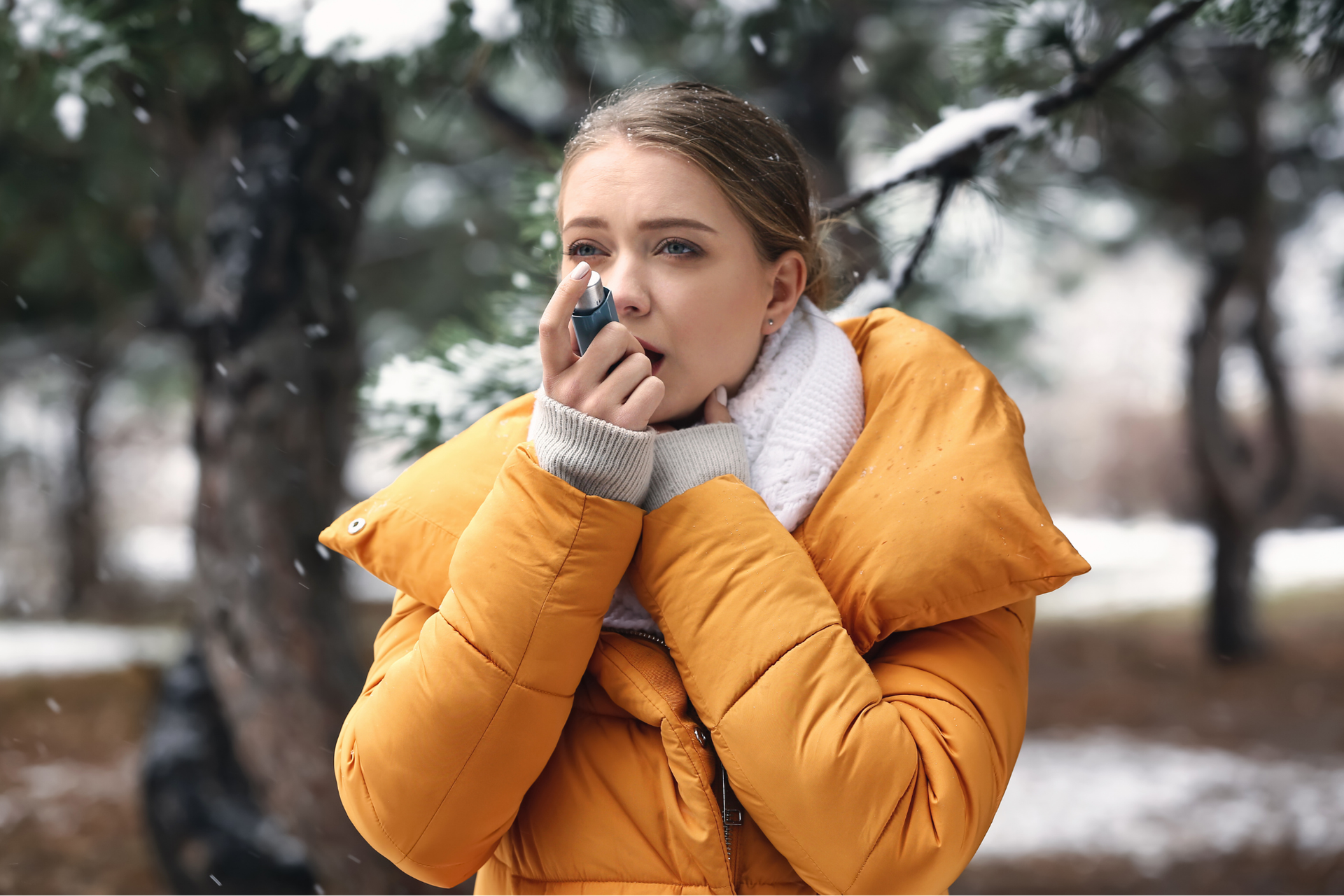
Asthma flare-ups don’t have to rob you of the season’s festive air. By understanding your triggers, keeping up with medications, and making small adjustments at home, you can prevent flare-ups and enjoy the season on your terms. Every step you take to manage your winter asthma is a step toward greater comfort and confidence in your daily life.
Don’t wait for symptoms to take over. Review your asthma action plan, schedule a check-up, and take control of your indoor environment now. At
Advanced Allergy and Asthma Care, we provide personalized guidance and expert support to help you breathe easier, stay active, and make the most of winter safely and confidently.
Experience a Flare-Up-Free Winter
Frequently Asked Questions
How can I use an inhaler effectively in cold air?
Cold air doesn’t affect how your inhaler works, but it can irritate your airways and make symptoms feel worse. To use an inhaler effectively in cold air, keep it at room temperature, use a spacer if recommended, and cover your mouth and nose with a scarf before heading outdoors to help warm the air you breathe.
Is asthma worse in summer or winter?
Asthma can flare up in both seasons, but winter often brings unique challenges. Cold, dry air, indoor heating, and increased respiratory infections can make asthma symptoms more uncomfortable in winter. With proper trigger management and an updated asthma action plan, you can control your symptoms year-round.
Does exercising in cold weather always worsen asthma?
Not necessarily. Gentle warm-ups while covering your mouth and nose can reduce the risk. Indoor exercise can also be a safe alternative activity during extreme cold.
How can I tell if my winter asthma symptoms are from a cold or an actual asthma flare-up?
Colds usually bring symptoms like a runny nose, fever, or body aches, while asthma flare-ups often involve wheezing, shortness of breath, chest tightness, and persistent coughing. If symptoms overlap, consult your specialist.