Florida Pollen Count 2026: Weekly Forecast, Symptoms, and Allergy Tips
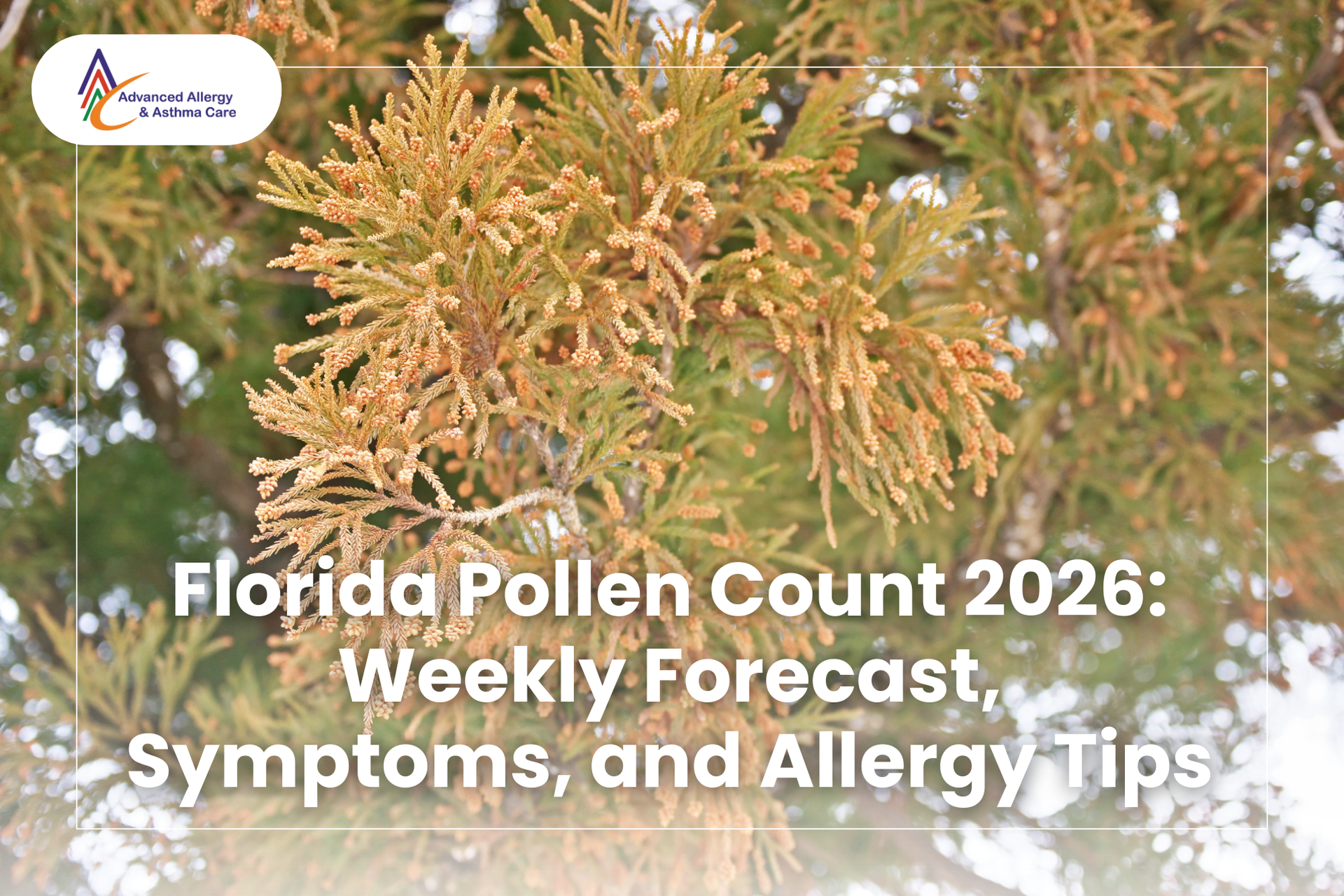
Florida is a warm, sunny paradise for many, but for allergy sufferers, it can also bring a year-round challenge. Its climate and diverse vegetation mean pollen is always around — from blooming trees in spring to grasses and weeds later in the year. When you’re dealing with sneezing, itchy eyes, or chest tightness almost every season, it often means that Florida pollen is at work.
Pollen can do more than annoy: It can disrupt sleep, sap energy, and even trigger asthma flare-ups. But you don’t have to let pollen take control of your year. You can turn it around by tracking when pollen levels spike and knowing which symptoms to watch for, making you more in control of your day.
In this blog, we’ll cover Florida’s 2026 pollen forecast, common allergy symptoms, and practical tips to stay ahead of seasonal allergies, sharing expert advice from our
allergy specialists at Advanced Allergy & Asthma Care. Whether you’re new to Florida or a long-time resident, we’ll help you breathe easier and have a sneeze-free, itch-free year ahead.
Outsmart Florida Allergies
What Affects Florida’s Pollen Levels
To better understand forecasts and counts, let’s look at what drives Florida’s pollen levels. Due to the state’s warm climate, plants release pollen for much longer than in many other regions. As a result, allergy symptoms often feel like a year-round ordeal rather than a short seasonal issue.
Florida’s pollen mainly comes from three sources, each peaking at different times:
- Trees: Oak, pine, cedar, and cypress dominate in spring and often trigger early pollen allergy symptoms.
- Grasses: Bahia and Bermuda grasses peak in late spring and summer, especially in open and coastal areas.
- Weeds: Ragweed takes over in the fall and can cause symptoms well into early winter.
The weather also plays a major role in Florida’s pollen counts. Warm, windy days help pollen spread, while rain may allow short-term relief before levels rise again. Humidity can slightly reduce airborne pollen but may increase mold production, which can worsen symptoms for some allergy sufferers.
Location matters, too. North Florida experiences more distinct pollen seasons, Central Florida records overlapping pollen peaks, and South Florida (including the Tampa Bay area) often sees steady pollen levels year-round. If you live in this region, it’s best to stay informed and prepared to seek allergy care in Tampa Bay, where
a board-certified specialist can help you manage your symptoms throughout the year.
Florida’s Pollen Count: Weekly Forecast for 2026
If you’re living with allergies in the Sunshine State, your first step to relief in 2026 is understanding Florida’s pollen patterns. We recommend tracking pollen levels week by week so you can strategize: Plan outdoor activities, adjust medications, and reduce exposure before symptoms spike.
Here’s a weekly breakdown for tree, grass, and weed pollen across the first month of the year. Levels are categorized as high, medium, or low to make them easy to follow.
| Week | Tree Pollen | Grass Pollen | Weed Pollen | Tips to Manage Symptoms |
|---|---|---|---|---|
| January 1–7 | Medium | Low | Low | Keep windows closed and use an air purifier with a HEPA filter at home. Consider starting antihistamines if symptoms appear. |
| January 8–14 | High | Low | Low | Limit outdoor activities during mid-morning, when pollen levels are highest. Shower and change clothes after being outside. |
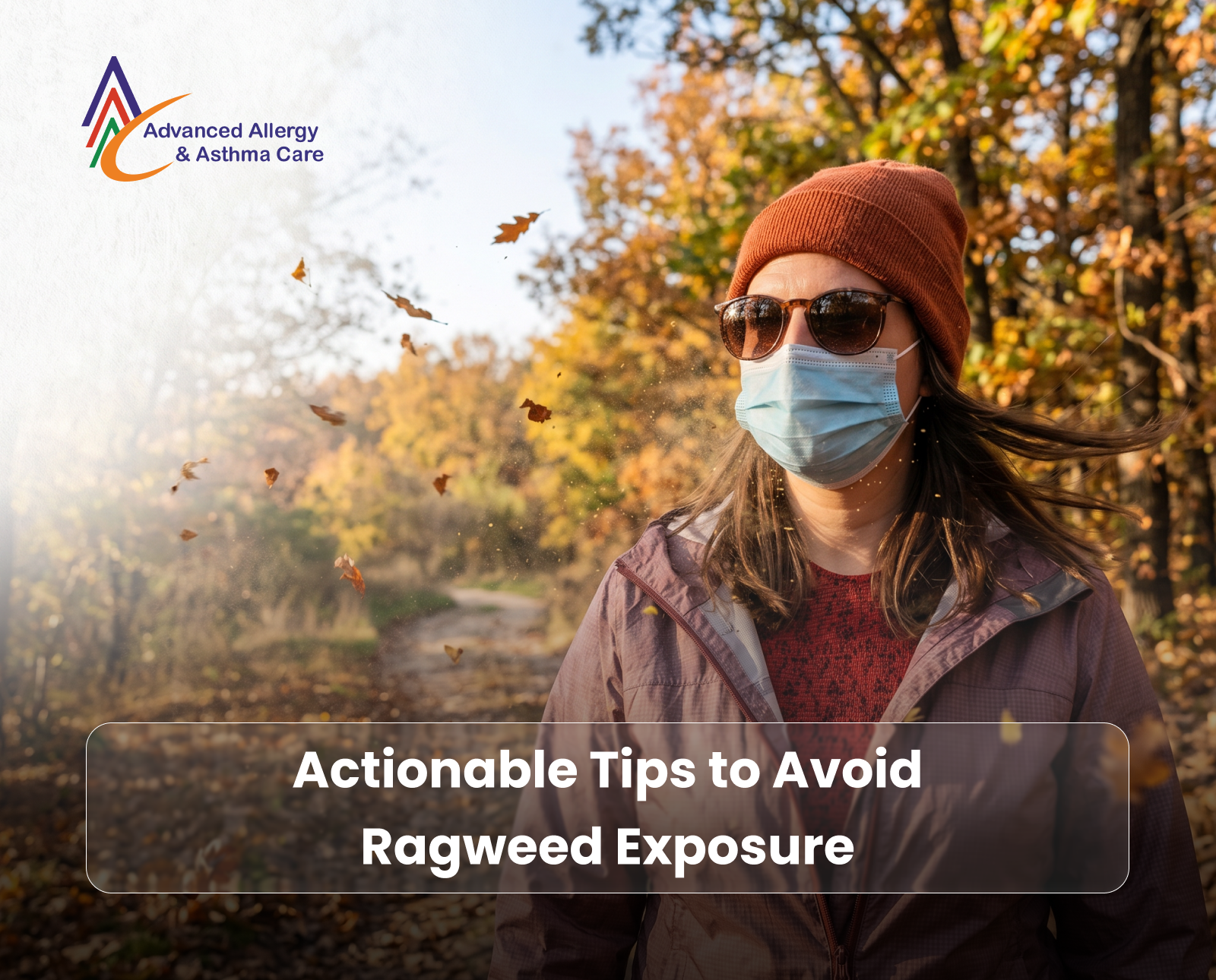
| January 15–21 | High | Low | Low | Wear a mask outdoors if you need to be in grassy or wooded areas. Keep car windows closed while driving. |
| January 22–28 | High | Low | Low | Regularly clean surfaces to remove pollen brought in from outside. Continue medications as advised. |
Peak pollen weeks to watch for:
- Trees: Mid-January through mid-February
- Grasses: April
- Weeds: Late April and early May
For daily tracking, apps and websites like Pollen.com, AccuWeather pollen tracker, or local allergy alerts can help you adjust your schedule and manage symptoms before they escalate.
By following these tips and monitoring weekly trends, you can outsmart pollen allergies, maximize your comfort, and boost your well-being in 2026.
Common Symptoms of Seasonal Allergies
Even with careful planning, allergy symptoms can still turn up, especially during high-pollen weeks. Recognizing the signs early helps you take action before symptoms disrupt your daily activities.
Seasonal allergies often affect the nose and eyes first. Common symptoms include:
- Sneezing and a runny or stuffy nose
- Nasal congestion that makes breathing uncomfortable
- Itchy, watery, or red eyes, especially after time outdoors
For people with asthma or sensitivities, pollen can also trigger breathing symptoms, such as:
- Wheezing or chest tightness
- Persistent coughing, often at night
- Shortness of breath during everyday activities
Ongoing symptoms can interfere with sleep, leading to fatigue, headaches, and irritability. Mild allergies may come and go, while more severe reactions tend to last longer or trigger asthma flare-ups. If symptoms feel intense or hard to manage, consult an allergist in Tampa Bay to identify triggers and find effective, lasting relief.
Practical Allergy Management Tips
Managing allergy symptoms starts with simple daily habits that reduce pollen exposure and keep you comfortable
Prevention:
- Keep windows and doors closed on high-pollen days.
- Use HEPA air purifiers indoors and replace filters regularly.
- Wear a mask outdoors when pollen levels are high.
Medications:
- Antihistamines relieve sneezing, itching, and runny noses.
- Nasal sprays reduce congestion when used consistently.
- Consult an allergy specialist to choose the right treatment plan.
Lifestyle adjustments:
- Shower and change clothes after outdoor activities.
- Check local pollen counts and plan outdoor time accordingly.
- Keep pets clean to prevent bringing pollen indoors.
Environmental tips:
- Clean floors and surfaces with a HEPA vacuum.
- Avoid mowing the lawn or gardening during peak pollen hours.
If symptoms persist, getting allergy testing in Tampa can help specialists see if immunotherapy can work for you, helping your body build long-term tolerance to triggers.
How Advanced Allergy & Asthma Care Can Help
Advanced Allergy & Asthma Care provides personalized solutions for Florida’s unique pollen challenges. Our services include allergy testing, treatment plans, immunotherapy, and asthma management to help patients find lasting relief.
Visit Advanced Allergy & Asthma Care in Tampa to schedule a consultation, access more comprehensive local pollen count alerts, and stay one step ahead of allergy season.
Your Guide to a Symptom-Free Year
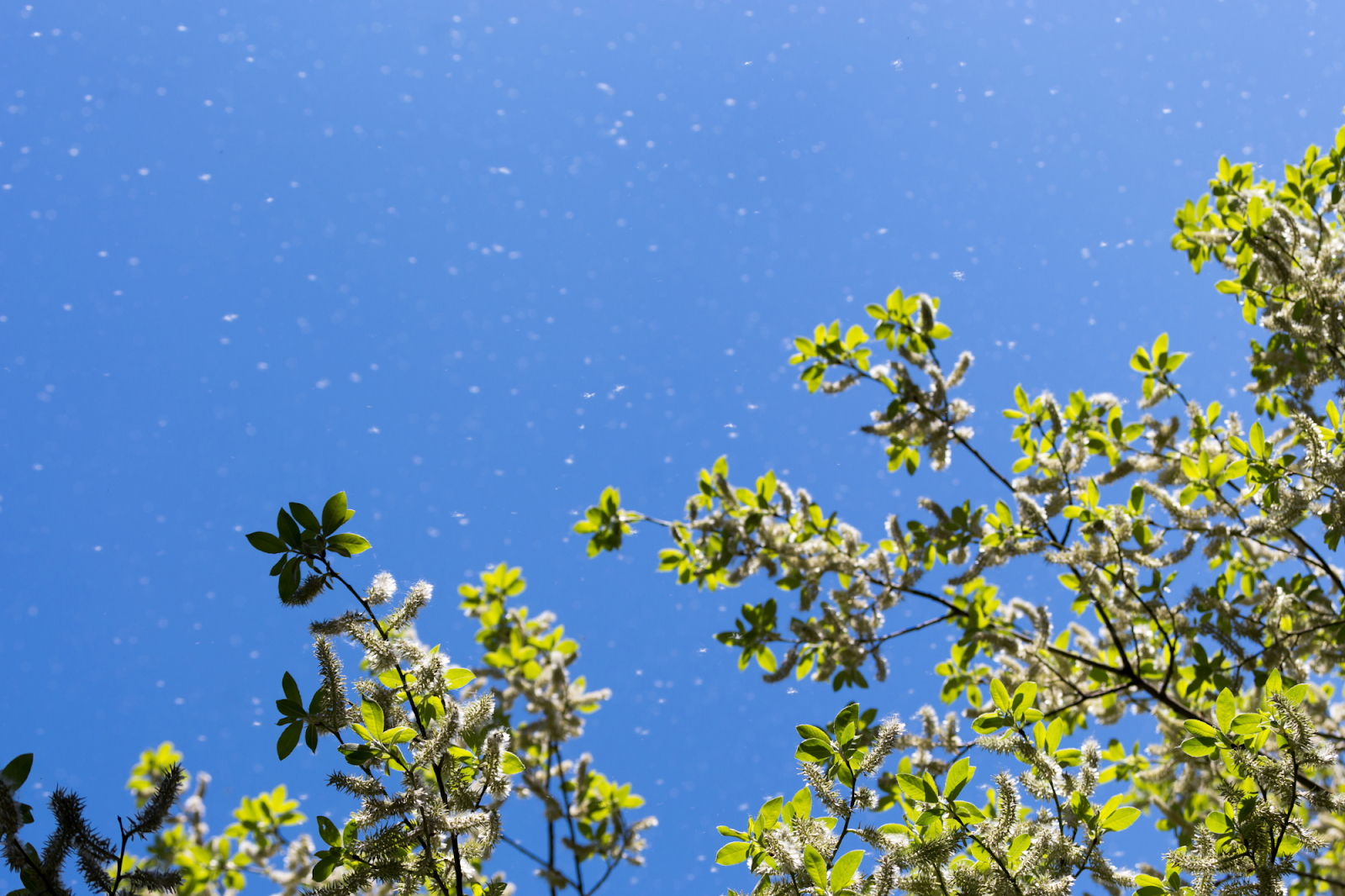
Florida’s pollen can feel relentless, but being proactive makes all the difference. Monitoring pollen counts, spotting symptoms early, and adopting simple daily habits can help you enjoy outdoor activities and sleep better at night without letting allergies control your life.
Take charge of your health and don’t let pollen season catch you off guard. If you’re looking for effective allergy treatment in Tampa Bay, consult your local allergy specialist to create a personalized plan and stay ahead of pollen season. Book your appointment at Advanced Allergy & Asthma Care today!
Experience Long-Term Allergy Relief in 2026
Frequently Asked Questions
Does Florida’s coastal breeze affect pollen levels?
Absolutely. Coastal winds can carry pollen farther and keep it airborne longer, potentially worsening symptoms in beachside or waterfront communities. Plan outdoor activities after rainfall or during calmer winds.
Are certain times of day worse for pollen exposure in Florida?
Yes, early mornings and mid-mornings typically have the highest pollen counts. Late afternoon or after rain showers are usually safer times for outdoor activities.
Is immunotherapy effective for all types of pollen in Florida?
Immunotherapy can be effective for tree, grass, and weed pollen. Getting immunotherapy for allergies in Tampa may provide long-term relief, though results vary by individual. An allergy specialist can recommend the best approach for your triggers.
Can lifestyle adjustments alone control allergy symptoms?
They help, but combining lifestyle habits with medications or professional care is usually the most effective strategy for long-term relief, especially during peak pollen weeks.