Florida Allergy Survival Guide: How to Stop Sneezing, Itchy Eyes & Fatigue
Waking up on a sunny Florida morning can make anyone live an outdoorsy lifestyle, but it’s not that easy for some people. This allergy season, noses start to itch, eyes water, and sneezing fits echo early in the day. By noon, fatigue sets in, and even simple tasks can feel exhausting. These are common seasonal allergy symptoms, and though they typically peak in certain months, they can occur at any time of year in Florida.
Florida’s environment makes allergies tricky. Year-round pollen from trees, grasses, and weeds mixes with high humidity, turning even a short walk outside into a sudden, debilitating battle against your own immune system.
We created this guide to help you take control of your allergies, not the other way around. We’ll share practical tips to reduce exposure, treat your symptoms, and enjoy life with less discomfort and more sunny days and outdoor fun. Let’s by catching culprit!
Find Out Which Allergens Are Keeping You Down
Common Allergy Triggers in Florida
With Florida’s unique mix of outdoor and indoor allergens, all the sneezing, itchy eyes, and fatigue could be anything but random. If you don’t know your triggers yet, your first step toward relief is to recognize allergens most common in your area, so you know what you’re up against.
Outdoor Allergy Triggers
Florida’s trees, grasses, and weeds release pollen that causes sneezing, itchy eyes, and congestion in individuals with allergies. These include:
- Tree pollen:
Oak, cypress, and pine produce the most pollen. Oak peaks in spring, while cypress and pine can appear almost year-round. - Grass pollen:
Bermuda, Bahia, and other grasses bloom mainly in late spring and summer. - Weed pollen:
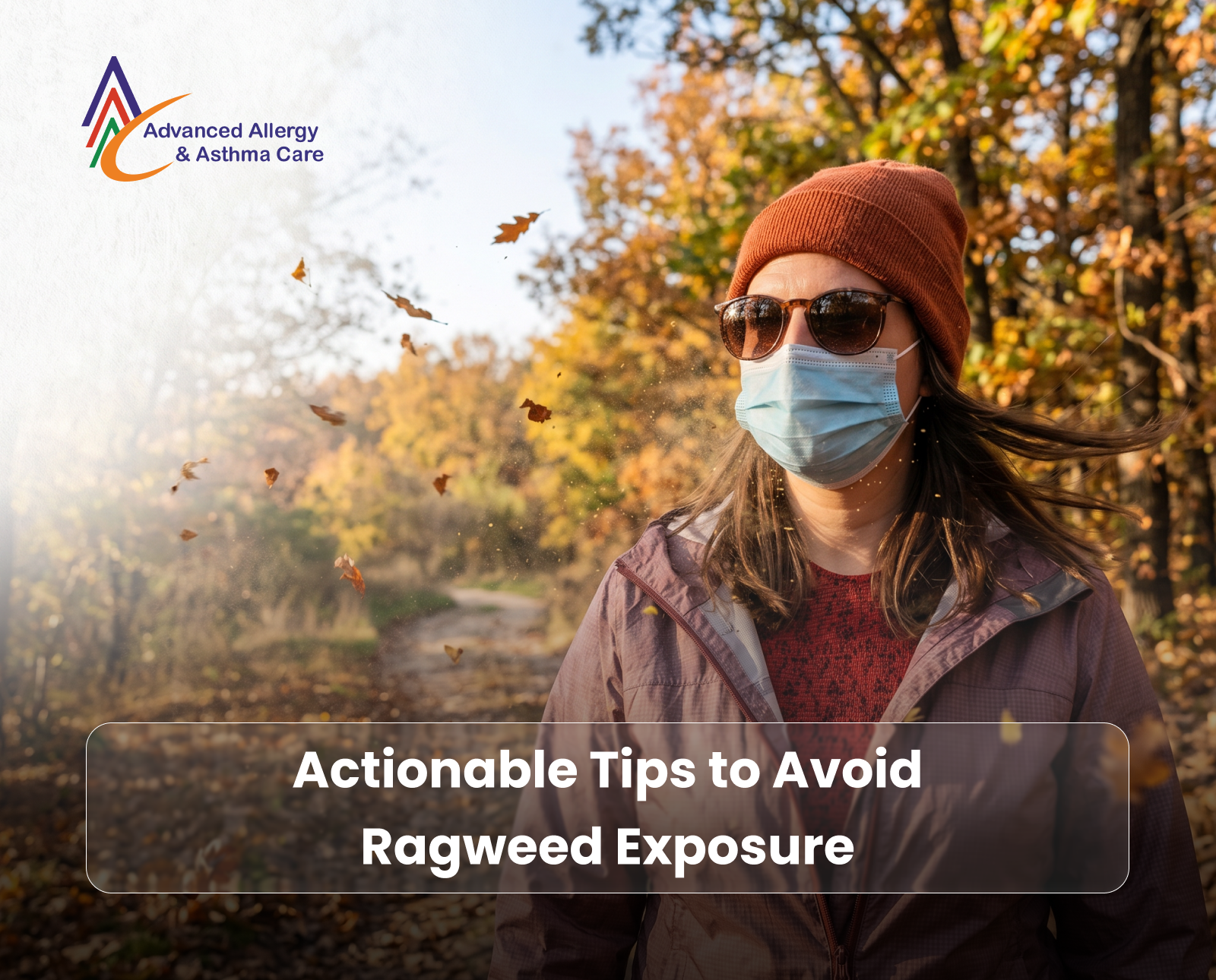
Ragweed dominates in the fall, triggering sneezing and fatigue.
Indoor Allergy Triggers
High humidity makes these indoor allergens a problem:
Why Fatigue Happens
You may not always connect low energy to allergic reactions, but fatigue from allergies is more common than many people realize. When your immune system works overtime to fight off allergens, it releases inflammatory chemicals that can leave you feeling drained. Recognizing this pattern helps you take targeted steps to reduce exposure, improve rest, and restore your energy.
What Are the Symptoms of Seasonal Allergies?
Allergies can sneak up on you, and sometimes it’s hard to tell if it’s just the common cold or something more. Paying attention to your symptoms helps you act fast and get relief before they take over your day.
Common Allergy Symptoms
Most people notice classic signs:
- Sneezing fits that won’t quit
- Itchy, watery eyes
- Congestion or a runny nose
- Postnasal drip
- Fatigue and low energy
Less Obvious Signs
Allergies can show up in ways you might not expect:
- Brain fog or difficulty concentrating
- Sinus pressure or headaches
- Irritability and mood changes
Allergies vs. Infections
It can be tricky to tell allergies apart from a cold or sinus infection. Allergies often:
- Appear seasonally or after exposure to triggers.
- Come with itchy eyes or nose, which colds rarely cause.
- Lasts longer than a typical 3–7 day cold.
- Do not usually include a fever.
Children, people with asthma, and those with other chronic conditions may experience stronger reactions. Keeping an eye on your body’s signals makes it easier to act quickly and manage symptoms before they worsen.
Tips How to Prevent Allergies and Reduce Pollen Exposure
Managing allergies well starts with prevention and avoidance. Taking strategic, proactive steps can help you stay comfortable, reduce flare-ups, and enjoy sunny Florida days without constant sneezing, itchy eyes, or fatigue. Simple changes indoors can also help reduce pollen exposure at home, keeping your living space more comfortable during allergy season.
Outdoor Tips
Simple outdoor allergy prevention strategies can reduce your exposure to pollen before symptoms even begin. Make a habit of:
- Checking pollen counts before heading outside.
- Wearing sunglasses to protect your eyes.
- Showering and changing clothes after being outdoors.
- Avoiding outdoor activities during peak pollen hours.
Indoor Tips
Following consistent indoor allergy control tips helps keep your home a safer, allergen-free space:
- Use HEPA filters and air purifiers.
- Vacuum carpets and rugs frequently.
- Control humidity to prevent mold.
- Keep windows closed on high-pollen days.
What Are the Best Treatments for Seasonal Allergies?
Prevention makes a significant difference, but don’t let your guard down. Always have medicine ready to control your allergy symptoms. From quick relief to long-term solutions, there are options to suit every level of allergy severity.
Over-the-Counter Options
- Antihistamines :
reduce sneezing, itching, and watery eyes quickly. - Nasal sprays :
clear congestion and soothe irritated nasal passages. - Eye drops :
calm redness and itchiness caused by pollen or dust.
Prescription Options
For more severe allergies, your allergy doctor may prescribe:
- Prescription nasal sprays:
Target inflammation and congestion more effectively. - Advair or similar medications:
Help manage symptoms in people with coexisting asthma or severe respiratory reactions.
Immunotherapy
Allergy shots or sublingual tablets offer long-term relief by gradually retraining your immune system. Over time, they can reduce sensitivity to Florida’s most common allergens, helping you enjoy outdoor activities with fewer flare-ups.
Consult an Allergy Specialist
Everyone’s allergy profile is unique. If you’ve been searching for an “allergy clinic near me” and you live around Tampa, Pinellas Park, or nearby areas, Advanced Allergy and Asthma Care has multiple convenient Florida locations to serve you. Visiting one of our specialists ensures you will get personalized treatment, proper dosing, and guidance on the best combination of therapies for your needs.
Lifestyle and Natural Remedies
In addition to medical treatments, lifestyle habits and natural remedies can help ease allergy symptoms and support overall well-being. These approaches work best when paired with prevention strategies and, if needed, prescribed treatments.
Saline Nasal Rinses
- Rinsing your nasal passages with a saline solution helps flush out pollen, dust, and other irritants.
- It can reduce congestion and improve breathing, especially after spending time outdoors.
Natural Remedies
Note:
Natural remedies can complement treatments but shouldn’t replace prescribed or over-the-counter medications.
Healthy Diet
- Eat fruits, vegetables, and foods rich in omega-3s to support your immune system.
- Stay hydrated throughout the day to reduce congestion.
Gentle Exercise
- Regular, moderate exercise can improve circulation and reduce inflammation.
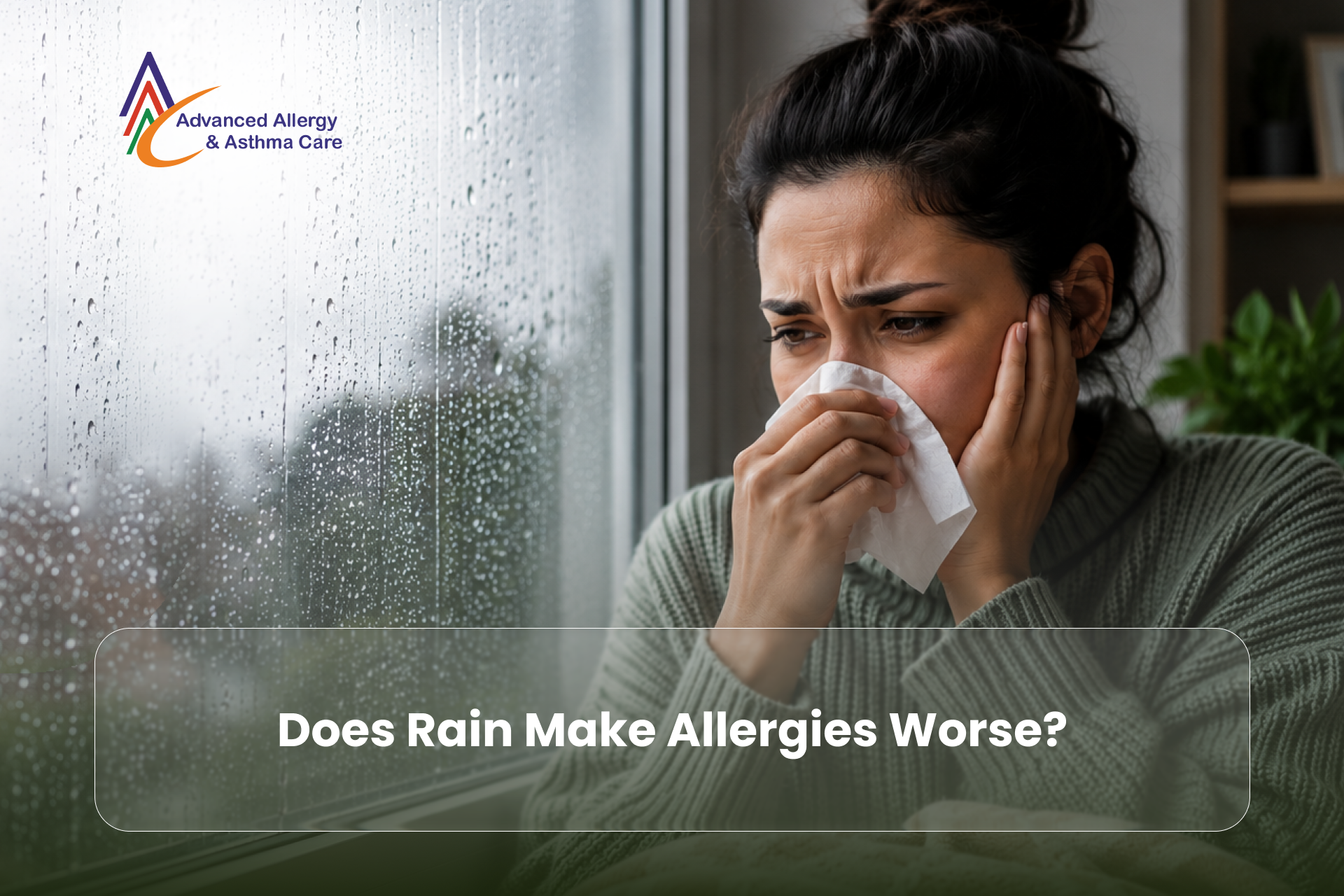
- Schedule workouts when pollen counts are low, such as early morning or after rain, to avoid triggering symptoms.
By combining specialist care, natural approaches, and lifestyle habits, you’ll be more than capable of surviving not just Florida’s allergy season, but also any time of year allergies strike. If symptoms continue to interfere with your daily life, searching for an “allergy doctor near me" can connect you with a specialist who can create a personalized plan to help you breathe easier.
Don’t Let Allergies Steal Your Sunny Season
Allergy season can feel overwhelming, but you don’t have to let it win. By tracking allergens, limiting exposure, treating symptoms, and working with a specialist, you can stay ahead of sneezing, congestion, and fatigue. Every small step adds up to great relief and a better quality of life.
Partner with Advanced Allergy and Asthma Care to create a personalized plan that keeps your symptoms in check. Enjoy the Florida outdoors, spend more time with family and friends, and live life without the constant interruption of allergies.
Start Living Allergy-Free Days
Frequently Asked Questions
Do different areas of Florida have different allergen problems?
Yes! Coastal areas often have higher mold counts due to humidity, while inland regions may see more grass and tree pollen. Your location can influence the type and severity of your allergy triggers.
Why do my allergy symptoms feel worse in the morning?
Pollen counts tend to peak in the early morning, and nasal congestion often worsens overnight. That’s why sneezing, a runny nose, and itchy eyes can hit hard right when you wake up.
Can stress make allergies worse?
Stress can heighten your immune system’s sensitivity and inflammation, which can intensify sneezing, congestion, and fatigue. Managing stress with sleep, relaxation, and gentle exercise can help reduce allergy severity.
Can allergy shots work faster if I combine them with lifestyle changes?
Yes. Immunotherapy is most effective when paired with prevention strategies such as reducing exposure to triggers, using air filters, and scheduling outdoor activities during non-peak pollen hours.