

All You Need To Know About Asthma: Symptoms, Causes, Types & Treatment

That tight, breathless feeling when you climb a flight of stairs, step outside on a humid morning, or catch a cold that settles deep in your chest and just won't let go. A lot of people learn to live with it. They blame the Florida heat, assume they're a little out of shape, or chalk it up to getting older. But for millions of Americans, there's a more specific explanation: asthma.
Understanding ‘what is asthma’ and whether your symptoms might point to it is the most useful first step you can take. This guide walks through everything, from what the condition actually involves to the symptoms of asthma, common asthma triggers, how it's diagnosed, and what treatment looks like when it's done right.
Think You Might Have Asthma?
What Is Asthma? Understanding the Basics
What is asthma? At its core, it's a chronic condition that affects the airways in your lungs. When someone has asthma, their airways are persistently inflamed and more reactive than they should be. When exposed to certain triggers, those airways can swell, tighten, and produce extra mucus, making it genuinely difficult to breathe.
It's not a rare condition. More than 23 million Americans are living with asthma, and it can develop at any age, though it frequently appears in childhood. What makes it particularly important to address is that it doesn't just go away on its own. Without proper asthma management, symptoms can escalate, and for some people, that escalation can become dangerous.
You can learn more about our team's approach to
asthma care at Advanced Allergy and Asthma Care.
What Causes Asthma?
What causes asthma isn't a single, tidy answer. The condition develops through a mix of genetic predisposition and environmental exposure, and not everyone in the same environment will develop it.
The most commonly identified risk factors include:
- A family history of asthma or allergies
- Growing up in environments with high air pollution, smoke, or indoor irritants like mold
- Frequent respiratory infections in early childhood
- Having other allergic conditions like eczema or hay fever, which significantly increase the likelihood of developing asthma
- Long-term occupational exposure to dust, chemicals, or fumes
For many patients, the causes of asthma are closely tied to how their immune system responds to the environment. The immune system overreacts to substances that most people handle without issue, and that overreaction drives airway inflammation.
Common Asthma Symptoms to Watch For
Recognizing asthma symptoms early gives you a real advantage in managing the condition. It can look different from person to person, and in some cases, symptoms are mild enough that people don't immediately connect them to asthma at all.
Common symptoms of asthma include:
- Shortness of breath, especially during physical activity or at night
- A persistent cough that tends to worsen in the morning or after exercise
- Wheezing, the whistling or squeaky sound that happens when you breathe
- Chest tightness or a feeling of pressure across the chest
- Coughing or wheezing that flares up around specific triggers like pet dander, pollen, or cold air
It's worth noting that not everyone with asthma wheezes, and a persistent cough doesn't automatically mean asthma. That's exactly why getting a proper diagnosis matters, rather than trying to diagnose yourself.
What Does Asthma Feel Like?
The answer to ‘What does asthma feel like day to day’ depends heavily on how well it's controlled and how reactive someone's airways tend to be.
For many people, mild asthma feels like a persistent chest heaviness, a cough that never quite resolves, or that familiar out-of-breath sensation that arrives faster than it should. On high-pollen days or in cold, dry air, things can feel noticeably worse even without a formal flare.
‘What does an asthma attack feel like’ is a different story altogether, and it's worth understanding separately. During an attack, the airways narrow rapidly. Breathing becomes effortful and labored. Many people describe it as trying to breathe through a straw or a sensation of the chest being squeezed from the outside. Wheezing may become audible to others. Talking in full sentences can grow difficult. In severe cases, a bluish tint around the lips or fingertips signals dropping oxygen levels and requires immediate emergency care.
Not every attack is dramatic, though. Mild attacks can feel like an extended, intensified version of
everyday symptoms, which is why understanding your personal baseline and recognizing when things are shifting makes a real difference.
How Is Asthma Diagnosed?
A confirmed diagnosis requires a combination of medical history review, a physical exam, and objective testing of your lungs' actual function.
The most common diagnostic tool is spirometry, a breathing test that measures how much air you can exhale and how quickly you can do it. It helps a lung specialist or allergist determine whether your airways are obstructed and, critically, whether that obstruction reverses with medication, which is a key indicator of asthma. Learn more about the asthma spirometry test available at our Tampa Bay locations.
A pulmonary function test may also be used to get a broader picture of how the lungs are performing overall. Allergy testing is another common component when allergic asthma is suspected, since identifying the specific triggers driving inflammation helps shape the whole treatment approach.
How do I know if I have asthma? The most reliable answer is to be evaluated by a qualified specialist rather than relying on symptoms alone. Many other conditions can produce similar symptoms, and distinguishing between them requires proper testing.

Treatment Options for Asthma
Asthma treatment generally falls into two categories: quick-relief medications that work fast to open the airways during a flare, and long-term control medications that reduce inflammation and prevent symptoms from developing in the first place.
Quick-relief inhalers, typically short-acting beta-agonists like albuterol, are what most people associate with asthma. They're designed for moments when symptoms suddenly worsen, not for routine daily use.
Long-term control options include inhaled corticosteroids, combination inhalers, and leukotriene modifiers. For patients with severe or difficult-to-control asthma, biologic therapies are available that specifically target the immune pathways driving airway inflammation.
The right plan depends on how frequently you experience symptoms, what's triggering them, and how your airways respond to initial treatment.
Working with an allergist or a lung specialist tends to produce significantly better outcomes for ongoing asthma because treatment can be matched to your specific symptom profile rather than a generic approach. A specialist can also tell you whether your symptoms are being well-managed or whether it's time to step up your
treatment strategy.
Managing Asthma in Daily Life
Asthma management isn't just about having the right medication on hand. It's about understanding your personal asthma triggers and building habits that reduce how often your airways are stressed.
How to prevent asthma flares typically involves a few consistent practices:
Know your triggers and reduce exposure where possible
Common ones include dust mites, pet dander, pollen, mold, cigarette smoke, cold air, and physical exertion without a proper warm-up. In Florida, year-round pollen and high humidity mean that trigger awareness matters more than it might in other climates.
Use an asthma action plan
A written plan, developed with your care team, helps you recognize when symptoms are escalating and outlines exactly what steps to take before things become serious.
Keep your rescue inhaler within reach
Keeping your inhaler within your reach at all times, even on days when you feel completely fine, is recommended.
Schedule regular check-ins with your specialist
These regular check-ins are not just for when symptoms spike. Asthma can shift over time, and a treatment plan that worked well a year ago may need adjusting as your triggers or environment change.
Monitor your breathing if your doctor recommends it
A peak flow meter is a simple device that measures airway function and can signal a developing problem before you feel it acutely.
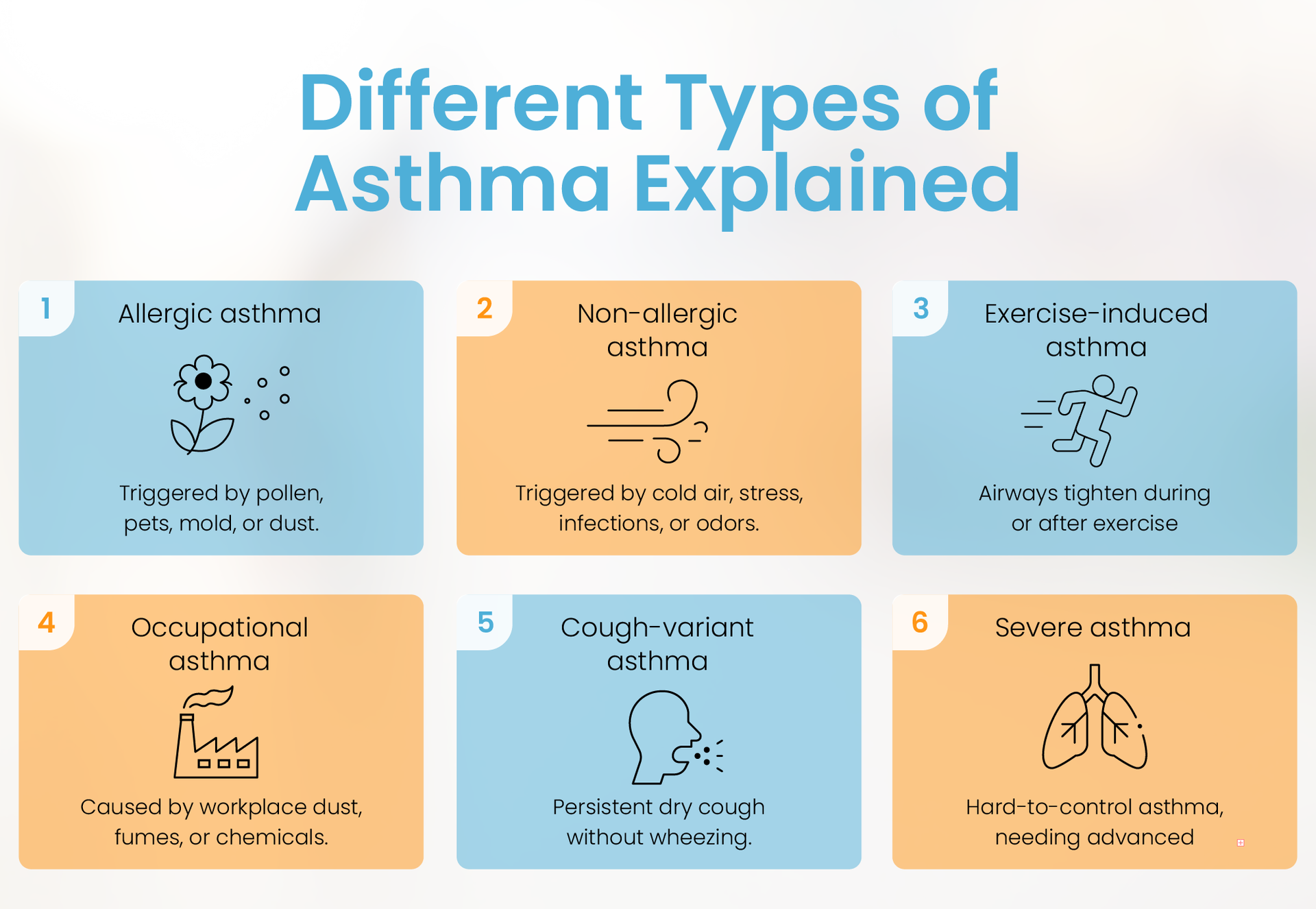
Asthma Care at Advanced Allergy and Asthma Care
Living with asthma doesn't mean sitting out physical activity, dreading high-pollen mornings, or simply accepting that breathing is harder than it should be. With the right diagnosis and a treatment plan built around your specific situation, most people with asthma can stay active, sleep well, and manage their symptoms effectively.
At Advanced Allergy and Asthma Care, our board-certified allergists work with patients across the Tampa Bay area, from South Tampa and New Port Richey to Dunedin, Pinellas Park, and Westchase. Whether you're looking for a first-time evaluation, a second opinion on a current plan, or access to newer treatment options, including biologics, our team can help you find a path forward that fits your life.
Stop Guessing, Start Treating
Frequently Asked Questions
What is asthma, and what causes it?
Asthma is a chronic inflammatory condition that narrows the airways in the lungs, making it difficult to breathe. The causes of asthma involve a mix of genetic factors and environmental exposure, including early childhood respiratory infections, allergen sensitivity, and long-term exposure to air pollutants or irritants.
What are the most common asthma symptoms?
The most common symptoms of asthma include shortness of breath, a persistent cough (especially at night or after exercise), wheezing, and chest tightness. Symptoms often worsen around specific triggers like allergens, cold air, or physical activity.
How is asthma diagnosed?
Diagnosis typically involves a review of medical history, spirometry or pulmonary function testing, and, in some cases, allergy testing. An allergist or lung specialist can confirm the diagnosis and distinguish asthma from other respiratory conditions that produce similar symptoms.
What are the most common asthma triggers?
Common asthma triggers include pollen, dust mites, pet dander, mold, tobacco smoke, cold air, exercise, strong odors, and respiratory infections. Triggers vary significantly from person to person, which is why identifying your specific ones is a key part of effective long-term management.
Can asthma be treated effectively?
Yes. Most people with asthma can manage the condition very well with the right combination of medications, trigger avoidance, and regular specialist care. Severe or difficult-to-control cases may benefit from biologic therapies. The starting point is always an accurate diagnosis and a plan tailored to the individual.