
Grass Pollen Allergy: What Every Florida Resident Should Know
If you've spent any time in Florida, you've probably noticed that "allergy season" doesn't quite work the way it does in other parts of the country. There's no single month where pollen surges and then politely disappears.
For many residents of St. Petersburg and the wider Tampa Bay area, grass pollen allergy is a near-year-round reality, one that shows up as morning sneezing, foggy afternoons, and itchy eyes no matter how many times you wash them.
The frustrating part is that many people chalk these symptoms up to a cold, the humidity, or just "how it is in Florida." They push through it for weeks, sometimes months, without realizing there's a specific cause and a real treatment path.
This guide walks you through everything: what a grass pollen allergy actually is, what the symptoms look like, when the season peaks in Florida, and which treatment options give you the most relief.
Find Your Allergy Triggers
What Is a Grass Pollen Allergy?
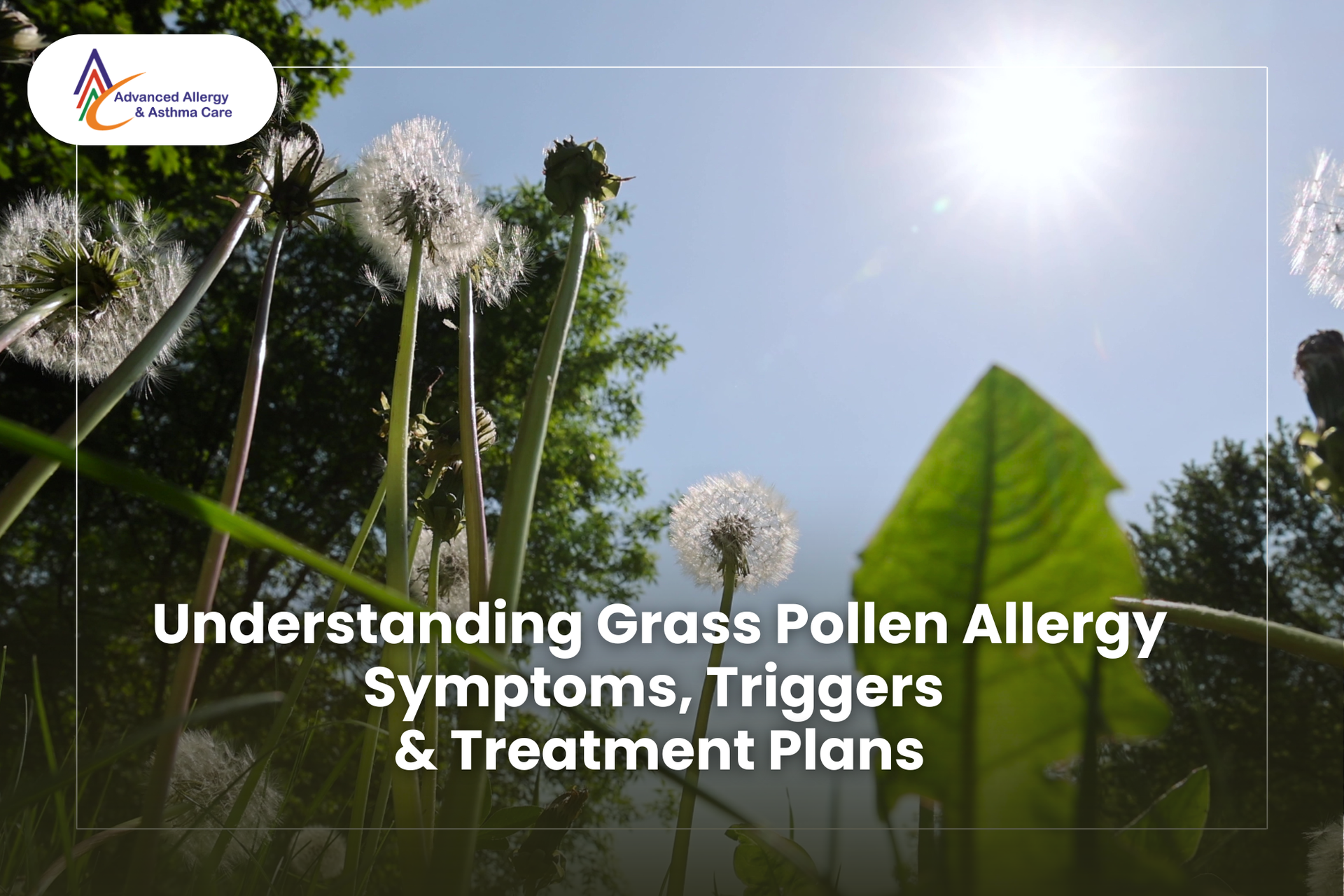
When grasses grow and reproduce, they release microscopic pollen grains into the air. For most people, this is a non-event. But for those with a grass pollen allergy, the immune system treats these particles as a threat, triggering a cascade of histamine release that leads to the classic allergy symptoms we all recognize.
Grass allergies fall under the umbrella of allergic rhinitis and rank among the
most common environmental allergies worldwide. What makes them particularly challenging in Florida is the climate. Unlike colder regions where winter essentially puts pollen production on pause, Florida's warmth keeps grasses actively growing and pollinating for the better part of the year. That means longer exposure windows and fewer natural breaks in symptoms.
Grass Pollen Allergy Symptoms
Recognizing grass pollen allergy symptoms early makes it far easier to manage them effectively. The immune response to pollen tends to affect the nose, eyes, throat, and, in some cases, the lungs. Here's
what to watch for:
- Frequent sneezing, especially shortly after going outdoors
- Runny or persistently stuffy nose
- Itchy, watery, or red eyes (known clinically as allergic conjunctivitis)
- An itchy or scratchy feeling in the throat or ears
- Postnasal drip, which often triggers throat clearing or a mild cough
- Fatigue, often the result of fragmented sleep from nighttime congestion
For people who also have asthma, the picture can get more complicated. Grass pollen exposure is a well-documented asthma trigger, capable of worsening breathing, causing chest tightness, or setting off wheezing episodes. If your respiratory symptoms tend to flare up at certain times of year, pollen could be playing a bigger role than you've accounted for.
It's also worth noting that grass pollen allergy symptoms can overlap significantly with cold symptoms, which is one reason so many people go undiagnosed. The key distinction: a cold typically resolves in 7 to 10 days and may involve a low-grade fever. Allergy symptoms tend to linger for weeks, worsen on windy or dry days, and never include a fever.
When Is The Grass Pollen Season In Florida?
Grass pollen typically begins rising as early as April, peaks through the spring and early summer months, and in many cases remains elevated through October. Certain species, particularly Bahia grass, can release pollen almost continuously through the warmer months. What feels like a nonstop cold from March through September may very well be sustained pollen exposure.
Pollen counts tend to peak on warm, dry, breezy mornings and drop noticeably after rain. Checking a daily pollen forecast through your local weather app or the
National Allergy Bureau before spending extended time outdoors is a simple habit that can pay off during peak weeks.
Treatment Options for Grass Pollen Allergies
Grass pollen allergy treatment has become considerably more refined in recent years, and the options available today range from accessible over-the-counter relief to long-term immunotherapy that can genuinely recalibrate how your body responds to pollen. Here's how the tiers break down.
Over-the-Counter Options
For mild to moderate symptoms, over-the-counter medications are often a reasonable starting point. The best allergy medicine for grass pollen in this category includes second-generation antihistamines. Cetirizine (Zyrtec), loratadine (Claritin), and fexofenadine (Allegra) are the most widely used, all of which provide meaningful relief with less sedation than older formulas.
Nasal corticosteroid sprays like fluticasone (Flonase) are particularly effective for reducing nasal inflammation and congestion, and many allergists consider them among the most consistently effective treatments for pollen-related rhinitis. Using a nasal spray alongside an oral antihistamine often delivers better results than either option alone.
Prescription Allergy Medication
When over-the-counter products aren't providing adequate relief, an allergist can prescribe stronger allergy medication for grass pollen. This might include prescription-strength nasal sprays, leukotriene receptor antagonists (like montelukast), combination nasal sprays, or prescription antihistamine eye drops for patients whose ocular symptoms are particularly disruptive.
The advantage of working with a specialist is that treatment can be matched to your specific symptom profile rather than relying on whatever works for the average patient.
Allergy Immunotherapy
For patients looking beyond symptom management, allergy immunotherapy is the only treatment that actually works to retrain the immune system's response to grass pollen, and its effects can last for years.
Traditional allergy shots (subcutaneous immunotherapy) remain the most established approach, gradually increasing exposure to pollen extracts over time until the body stops overreacting.
Sublingual immunotherapy, which involves placing a tablet under the tongue, is an increasingly popular alternative. FDA-approved sublingual tablets specifically targeting grass pollen (such as Grastek, for patients confirmed allergic to Timothy or cross-reactive northern grass pollens) are available for eligible patients and can be taken at home after the first supervised dose. FDA-approved sublingual tablets specifically target grass pollen and are available for eligible patients. One example is Grastek, which is used for those allergic to Timothy or cross-reactive northern grass pollens. After the first supervised dose, these tablets can be taken at home.
Immunotherapy is a longer-term commitment, with most protocols running three to five years, but for patients with significant or year-round symptoms, the results often substantially outperform what medication alone can achieve.
When to See an Allergy Specialist
If your symptoms are interfering with sleep, affecting your concentration at work, or just dragging down your quality of life season after season, it's worth moving past trial-and-error at the pharmacy. An allergist can conduct allergy testing to identify exactly which grass species are driving your reactions, which removes the guesswork from your entire treatment plan.
Some specific situations that make a specialist visit particularly worthwhile:
- Symptoms lasting more than a few weeks without significant improvement
- Over-the-counter medication provides only partial relief
- Asthma that seems to worsen during spring and summer
- Frequent secondary issues like sinus infections or chronic ear problems
- Interest in exploring immunotherapy as a path to longer-term relief
At Advanced Allergy and Asthma Care, we work with patients across the Tampa Bay region, including those in St. Petersburg, New Port Richey, Dunedin, and South Tampa, to develop individualized treatment plans built around each patient's specific triggers and lifestyle. You shouldn't have to spend months of every year feeling run-down simply because grass pollen is in the air.

Taking Control of Grass Pollen Allergies
Grass pollen allergy is one of those conditions that tends to get normalized, especially in Florida, where pollen season is practically a fact of life. But persistent symptoms are not something you just have to accept. With a clear picture of what's triggering your reactions, the right combination of grass pollen allergy treatment options, and a few practical adjustments to your daily routine, managing this allergy becomes much more achievable.
Whether you're dealing with mild seasonal sniffles or a full-blown disruption to your sleep and daily comfort, an accurate diagnosis and a treatment plan tailored for your specific situation can genuinely make a difference.
Stop Guessing, Start Treating
Pollen Allergy : Frequently Asked Questions
What are the most common grass pollen allergy symptoms?
The most frequent ones include sneezing, runny or stuffy nose, itchy and watery eyes, a scratchy throat, and general fatigue. In people with asthma, grass pollen can also trigger wheezing or worsen breathing during peak season.
When is the grass pollen season in Florida?
In Florida, grass pollen allergy season typically runs from April through October, with the most intense exposure occurring during spring and early summer. Bahia grass, one of Florida's most common species, is active across much of this window.
What is the best allergy medicine for grass pollen?
Second-generation antihistamines such as cetirizine, loratadine, and fexofenadine, combined with a nasal corticosteroid spray, are generally considered the most effective over-the-counter approach. For persistent symptoms, an allergist can recommend prescription-strength allergy medication for grass pollen or evaluate you for immunotherapy.
Can a grass pollen allergy be treated long-term?
Yes. Allergy immunotherapy, either through injections or sublingual tablets like Grastek, is the only treatment that desensitizes the immune system over time. Many patients experience lasting relief even after completing their immunotherapy course.
How do I know if I need allergy testing?
If your symptoms persist for weeks, worsen outdoors or on windy days, and don't respond well to standard over-the-counter medications, allergy testing is a useful next step. It identifies the specific triggers behind your symptoms so that treatment can be precisely targeted rather than generic.