
Pollen Allergy Symptoms and Treatment in Tampa, FL
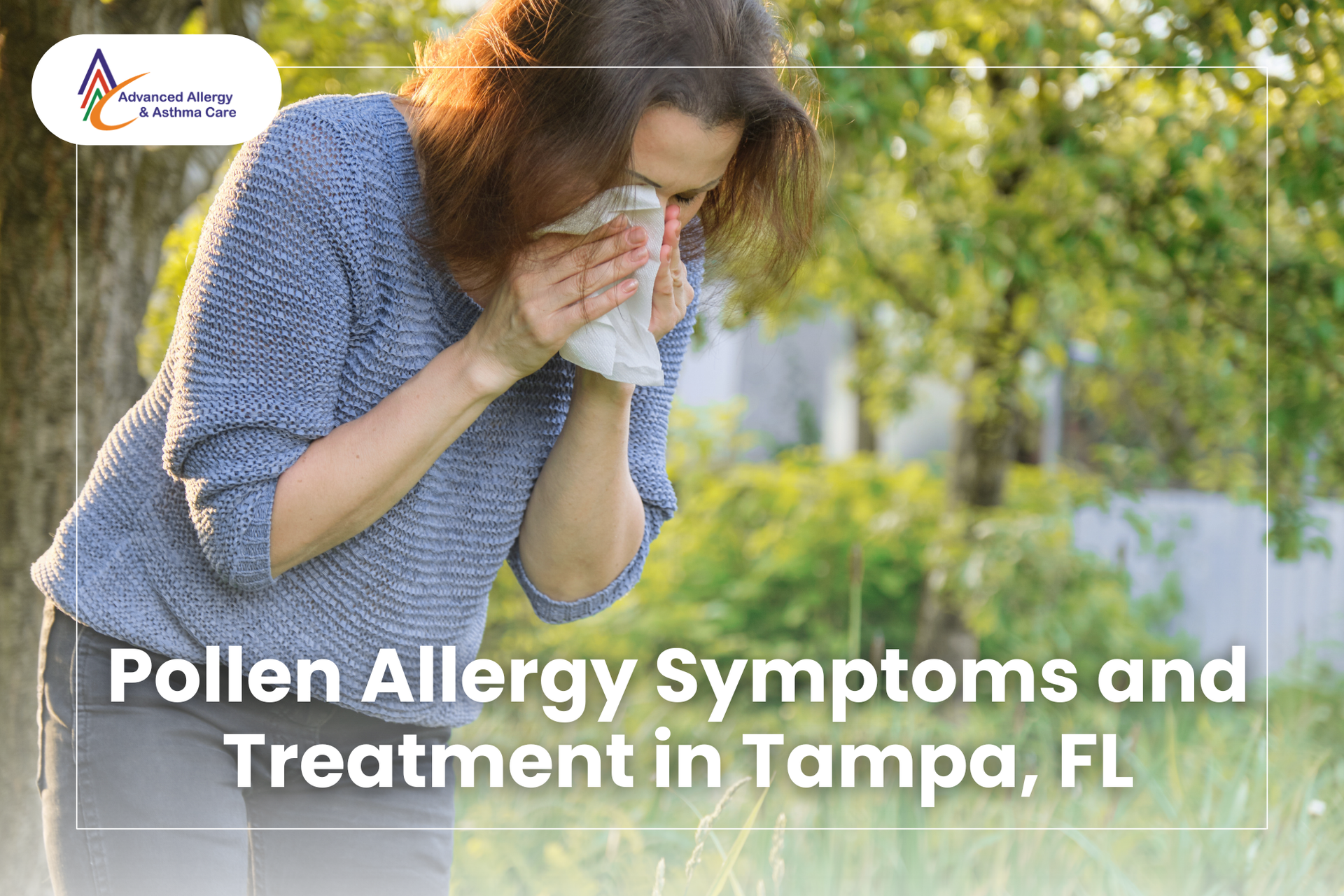
The warm Tampa breeze feels perfectly refreshing — until the pollen allergy hits, leaving you sneezing, rubbing your eyes, and wondering how something so tiny could cause so much discomfort. For many residents, spring in Tampa is beautiful, but it also brings a familiar challenge: pollen that coats cars, lawns, and clothes.
Tampa’s subtropical climate makes allergies even harder to escape from. Trees, grasses, and weeds release pollen almost year-round, leaving you congested and frustrated when symptoms interrupt your daily activities.
But you don’t have to let pollen ruin your day! In this guide, we’ll help you spot common symptoms, understand triggers, and explore allergy treatments that work. At
Advanced Allergy & Asthma Care, our Tampa allergists provide personalized solutions so you can breathe easier and enjoy any season without compromise.
Control Your Pollen Allergy Symptoms with Expert Care
What is Pollen Allergy: Understanding Its Causes
Pollen is a fine powder released by trees, grasses, and weeds to help them reproduce. For allergy sufferers, the immune system treats pollen like a harmful invader, triggering sneezing, itchy eyes, congestion, and coughing. Understanding pollen allergies causes helps you see what exactly triggers your body to react this way.
Tampa’s warm, subtropical climate contributes to higher pollen exposure. Mild winters allow plants to start producing pollen earlier, and the long growing season keeps pollen in the air for months. Humid air can carry pollen particles farther, increasing the likelihood of triggering symptoms.
Common pollen triggers in Florida include:
Common Pollen Allergy Symptoms
Pollen can trigger reactions as soon as you’re exposed. Recognizing the signs early helps you plan or react accordingly to stay comfortable at home, work, or outdoors.
Respiratory Symptoms
Many people notice breathing issues first. Common respiratory signs include:
- Sneezing
- Runny or stuffy nose
- Postnasal drip
- Coughing
Eye & Skin Symptoms
Allergies don’t just affect your nose and throat. Pollen can also irritate your eyes and skin, causing:
- Itchy, watery eyes
- Redness or puffiness around the eyes
- Itchy throat
Even mild exposure can leave your eyes irritated and your skin slightly itchy.
When It May Be Asthma-Related
For some people, pollen exposure can worsen asthma symptoms. Watch for:
- Wheezing
- Chest tightness
- Shortness of breath
If these signs appear, consulting a specialist is your next best move. Our
allergists at Advanced Allergy & Asthma Care can help you manage both pollen allergies and asthma with personalized plans to keep symptoms under control.
What Are the Types of Pollen Allergies in Tampa?
Pollen allergy comes from a variety of sources, and different plants release pollen at different times of the year. Knowing which types of pollen are in the air and when they peak helps you take steps to avoid exposure and control symptoms.
Here’s a breakdown of the most common pollen types in Tampa and when they’re most active:
| Type of Pollen | Common Sources | Peak Season | Typical Symptoms |
|---|---|---|---|
| Tree Pollen | Oak, pine, cedar, maple | February – May | Sneezing, runny/stuffy nose, itchy eyes, postnasal drip |
| Grass Pollen | Bermuda, timothy, ryegrass | March – July | Sneezing, nasal congestion, itchy throat, watery eyes |
| Weed Pollen | Ragweed, pigweed, sagebrush | August – October | Sneezing, itchy/watery eyes, coughing, skin irritation |
Pollen Allergy Treatment Options in Tampa, FL
Managing pollen allergies starts with knowing your options. From simple remedies to long-term treatments, Tampa residents have great options for long-term relief.
Over-the-Counter Medicine
Many people start with accessible solutions to relieve immediate symptoms. These include:
- Antihistamines to reduce sneezing, itching, and runny noses.
- Nasal sprays to clear congestion.
- Eye drops to soothe itchy, watery eyes.
These provide fast relief and work well for mild to moderate symptoms.
Prescription Treatments
For more persistent or severe allergies, prescription options can provide stronger control:
- Nasal corticosteroids to reduce nasal inflammation.
- Leukotriene modifiers to prevent allergic reactions throughout the body.
Prescription options offer stronger control for persistent symptoms.
Allergy Testing
A pollen allergy test identifies the specific allergens causing your symptoms, allowing your doctor to create a more precise treatment plan. Testing can include:
- Skin prick tests
- Blood tests
Allergy Immunotherapy (Long-Term Relief)
For lasting relief, allergy immunotherapy addresses the root cause rather than just masking symptoms. Options include:
- Allergy shots administered over time to gradually reduce sensitivity.
- Sublingual tablets placed under the tongue for convenience.
Immunotherapy trains your immune system to tolerate allergens, reducing symptoms over time.
At our
allergy clinic in Tampa, FL, our specialists combine these treatments with personalized plans to help patients manage pollen allergies and enjoy life outdoors.
Why Visit an Allergist in Tampa for Pollen Allergies?
Sometimes over-the-counter solutions aren’t enough to manage pollen allergies, especially when symptoms persist or worsen. Visiting an allergy specialist gives you access to expert care and personalized strategies designed to address your specific triggers. Many patients start by searching for an “allergy clinic near me” to find a trusted local provider who can offer targeted testing and treatment.
Benefits of Seeing a Specialist
- Board-Certified Allergists
Our experts bring advanced knowledge and experience to diagnose and treat pollen allergies effectively. - Personalized Treatment Plans
Every patient receives a plan tailored to their symptoms, triggers, and lifestyle. - Advanced Testing Methods
Skin and blood tests pinpoint the exact allergens causing reactions, enabling targeted care. - Long-Term Management
Specialists focus on reducing sensitivity over time, not just masking symptoms with temporary relief.
Tips to Reduce Pollen Exposure in Tampa
Even with treatment, avoiding pollen when possible helps keep symptoms under control. Simple habits and small adjustments can make your days more comfortable and let you enjoy the outdoors in Tampa.
Here are some practical ways to reduce exposure:
- Monitor local pollen counts:
Check daily reports to plan outdoor activities when pollen levels are lower. - Keep windows closed on high pollen days:
Prevent pollen from entering your home or car. - Shower after outdoor activities:
Rinse pollen from your skin and hair to reduce irritation. - Change HVAC filters regularly:
Clean filters trap pollen and improve indoor air quality. - Wear sunglasses outdoors:
Protect your eyes from airborne pollen and reduce irritation.
When to Schedule an Appointment
Reducing pollen exposure and using over-the-counter remedies help many people, but some symptoms still interfere with daily life. When allergies affect your breathing, sleep, or comfort, professional care can help identify triggers and guide treatment.
Consider scheduling an appointment if you experience:
- Symptoms that persist despite over-the-counter medications.
- Asthma flare-ups, including wheezing, chest tightness, or shortness of breath.
- Sleep disruption caused by nighttime congestion or coughing.
- Frequent or recurrent sinus infections.
You Don’t Have to Suffer Through Allergy Season

Pollen allergies may feel overwhelming, especially during peak seasons in Tampa, but you do not have to suffer through constant sneezing, congestion, and itchy eyes. Relief is within reach! Understand your triggers and choose the right pollen allergy treatment approach with a trusted allergy care provider. With the right guidance, you can manage symptoms effectively and enjoy Tampa’s sunshine, parks, and outdoor activities again.
At
Advanced Allergy & Asthma Care, our specialists provide personalized care designed to help you control pollen allergies and breathe easier throughout the year. If allergies continue to disrupt your routine, take the next step toward lasting relief. Schedule an appointment with our team today and start enjoying allergy season with greater comfort and confidence.
Experience Spring without the Sniffles
Pollen Allergy : Frequently Asked Questions
Can diet or hydration influence pollen allergy symptoms?
Staying hydrated helps thin mucus, and some studies suggest anti-inflammatory foods may help reduce symptom severity, though they don’t replace medical treatment.
Are certain Tampa neighborhoods more prone to pollen exposure?
Yes. Areas with more trees, grassy fields, or weeds tend to have higher pollen counts, especially near parks or undeveloped land. Local pollen maps can help you plan your outdoor time.
Can pollen allergies affect mood or mental health?
Yes. Chronic discomfort, fatigue, and poor sleep due to allergies can increase irritability, stress, or anxiety. Treating symptoms can improve both physical and emotional well-being.
Are there early warning signs before full allergy symptoms appear?
Some people notice subtle signs first, like mild eye itchiness, frequent throat clearing, or slight fatigue, before classic sneezing or congestion sets in.